

Title : The airflow channel as a regulator of overall health: The role of the upper airway, intermittent hypoxia (HIF), and the MFS approach in preventing respiratory dysfunction
Abstract:
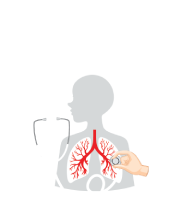
The upper airway the “airflow channel” (nose, nasopharynx, and pharynx) is not merely a passive conduit. Breathing route (nasal vs. oral), nasal airway resistance, and nasopharyngeal mechanics influence ventilation quality and gas exchange both day and night, thereby modulating systemic processes such as autonomic regulation, inflammatory signaling, stress responses, and central nervous system function. Perinatal factors should also be considered: mode of delivery may influence early reflex integration and the coordination of sucking swallowing–breathing, shaping the preferred breathing route and upper-airway load across later developmental stages. Clinically, care often targets manifestations rather than drivers, when patients present with “unexplained” reduced functioning: inadequate recovery, reduced exercise tolerance, morning headaches, impaired concentration (“brain fog”), and features of autonomic dysregulation, exaggerated stress reactivity. A systems approach instead emphasizes identifying and modifying determinants within upper-airway function determinants linked not only to craniofacial development, but also to broader health regulation. Mechanistically, evidence from physiology and cellular biology indicates that oxygenation instability including intermittent hypoxia (IH) typical of unstable breathing and sleepdisordered breathing can trigger adaptive and/or maladaptive responses in which hypoxiainducible factors (HIF) play a central role. The HIF pathway is a key component of cellular oxygen sensing, recognized by the 2019 Nobel Prize in Physiology or Medicine. This presentation introduces the MFS (Myofunctional Stimulation) philosophy as a causal, preventive, and interdisciplinary approach linking upper-airway function with craniofacial growth biology and downstream systemic consequences. It highlights developmental anatomy of the nasal cavity and paranasal sinuses and proposes practical, team-based clinical pathways for assessment, intervention, and follow-up.

