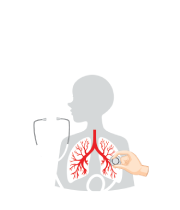


Title : Multimodal computational assessment of lung cancer: Integrating CT, PET/CT, histopathology, molecular conformational dynamics and in silico drug evaluation using BVidAL clinical software suite
Abstract:
Lung cancer exhibits substantial anatomical, histopathological, molecular, and therapeutic heterogeneity, presenting significant challenges for integrated disease characterization and treatment-response assessment. This study proposes a multimodal computational investigation of lung cancer using BVidAL clinical software suite, incorporating Computed Tomography (CT), Positron Emission Tomography/Computed Tomography (PET/CT), Whole-Slide Imaging (WSI), molecular conformational dynamics, and computational drug-response modelling within the proposed Bansal-biology (b-bio) methodology, comprising nine frameworks built upon five foundational architectures. The investigation focuses primarily on Non-Small Cell Lung Cancer (NSCLC), including lung adenocarcinoma and squamous cell carcinoma, utilizing publicly available imaging, histopathological, and molecular datasets. CT and PET/CT facilitate anatomical and metabolic characterization of pulmonary lesions, while digital histopathology supports examination of tissue architecture, cellular heterogeneity, and tumor morphology. Molecular investigations examine cancer-associated signalling mechanisms, particularly Epidermal Growth Factor Receptor (EGFR) alterations, protein conformational behavior, and drug–target interactions. The proposed computational methodology integrates established biological principles with Bansal-specific nonl near, geometrical, and stratified mathematical representations, incorporating coupled biological processes and multiscale tumor-state modeling. The BVidAL pharmaceutical engines provide research pathways for exploratory drug testing, pharmacokinetic–pharmacodynamic modeling, tissue-transport simulations, drug monitoring, and computational therapeutic-response comparisons.
The therapeutic investigation encompasses several pharmacological categories: EGFR-targeted tyrosine kinase inhibitors, including osimertinib, erlotinib, gefitinib, and afatinib; conventional chemotherapy agents, including cisplatin, carboplatin, and pemetrexed; and immune-checkpoint inhibitors, including pembrolizumab, nivolumab, and atezolizumab. Treatment representations are considered in relation to relevant molecular and histopathological characteristics. Additionally, exploratory phytopharmaceutical investigations include artemisinin and its derivatives, particularly artesunate and dihydroartemisinin, examining proposed iron-dependent redox vulnerability, reactive oxygen species, ferroptosis, and apoptosis pathways. These compounds are investigated as experimental computational candidates rather than established lung-cancer therapies. The study aims to establish an integrated research workflow connecting radiological imaging, histopathological characterization, molecular conformational analysis, stratified tumor-state evolution, and simulated therapeutic responses. Further reproducible case-study evaluation, quantitative benchmarking, and independent validation are required before clinical applicability can be established.
Keywords: Lung Cancer, Non-Small Cell Lung Cancer, Bansal-Biology, BVidAL Clinical Software suite, CT, PET/CT, Whole-Slide Imaging, EGFR; Tyrosine Kinase Inhibitors, Immunotherapy, Artemisinin Derivatives, Digital Twins, In Silico Drug Testing.

