2nd Edition of International Conference on Advanced Pulmonology, Respiratory Medicine & Lung Health
June 28-30, 2027 | Rome, Italy

Global Health & Respiratory Disease Burden
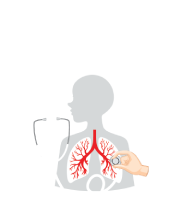
Addressing disparities and building resilient systems, global health & respiratory disease burden focuses on the intersection of epidemiology, healthcare access, and socio-economic factors influencing lung health. Low- and middle-income countries disproportionately shoulder the burden of respiratory diseases such as tuberculosis, COPD, and indoor air pollution-induced asthma. Strategic investments in infrastructure, vaccination, diagnostics, and clean air initiatives are essential to reduce preventable mortality. Global Health & Respiratory Disease Burden also involves collaborative surveillance, transnational research partnerships, and WHO-driven frameworks to harmonize care standards globally. The emergence of climate-related respiratory threats and post-pandemic gaps in pulmonary care access further complicate the global landscape. Bridging the health equity gap requires integrated public health interventions, culturally adapted education, and robust policy implementation at local and international levels.

Saurabh Chattopadhyay
University of Kentucky, United States
Yazdan Mirzanejad
University of British Columbia, Canada
Constantinos Mikelis
University of Patras, Greece
Sai Lakkimsetti
Lakeside High School, United States
Mariano Votta
Active Citizenship Network (Cittadinanzattiva), Italy
Vijayan Gurumurthy Iyer
Techno-Economic-Environmental Study and Check Consultancy Services, India
K R Aneja
Kurukshetra University, IndiaSubmit your abstract Today


Title : Global warming and increasing respiratory illnesses
Yazdan Mirzanejad, University of British Columbia, Canada
Title :
Saurabh Chattopadhyay, University of Kentucky, United States
Title : Risk factors for mycobacterium avium complex infections in patients with chronic obstructive pulmonary disease
Alizaman Sadigov, Medical University, United States
Title : Managing integration and interoperability in transformed pulmonology, respiratory medicine and lung health ecosystems
Bernd Blobel, University of Regensburg, Germany
Title : Personalized and Precision Oncology (PPO) to be set up via precision oncology strategy for cancer care team: Developing targeted lung cancer therapy and advancing personalized cancer care
Sergey Suchkov, N.D. Zelinskii Institute for Organic Chemistry of the Russian Academy of Sciences & InMedStar, Russian Federation
Title : Advancements in pulmonology and respiratory care through the view of Personalized and Precision Medicine (PPM) and biodesign-driven translational applications
Sergey Suchkov, N.D. Zelinskii Institute for Organic Chemistry of the Russian Academy of Sciences & InMedStar, Russian Federation