2nd Edition of International Conference on Advanced Pulmonology, Respiratory Medicine & Lung Health
June 28-30, 2027 | Rome, Italy

Thoracic Oncology & Lung Cancer
Thoracic oncology & lung cancer represent one of the most intensively researched areas in respiratory medicine, driven by high mortality rates and complex diagnostic challenges. Advances in molecular profiling and immunotherapy have enabled oncologists and pulmonologists to personalize treatment strategies based on tumor genotypes. The use of targeted therapies and checkpoint inhibitors has significantly improved survival outcomes, particularly in advanced non-small cell lung cancer. Emerging tools such as liquid biopsies and next-generation sequencing are facilitating earlier detection and better monitoring of disease recurrence. Multidisciplinary tumor boards now play a crucial role in managing comorbidities and ensuring evidence-based treatment decisions. Additionally, growing emphasis is being placed on addressing global disparities in care access, highlighting the need for international collaboration to standardize lung cancer screening and enhance equity in therapeutic advancements.

Saurabh Chattopadhyay
University of Kentucky, United States
Yazdan Mirzanejad
University of British Columbia, Canada
Constantinos Mikelis
University of Patras, Greece
Sai Lakkimsetti
Lakeside High School, United States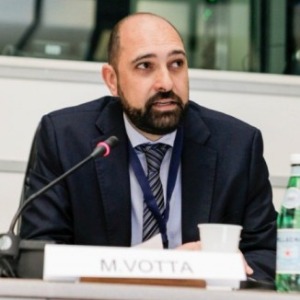
Mariano Votta
Active Citizenship Network (Cittadinanzattiva), Italy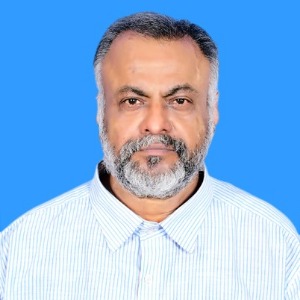
Vijayan Gurumurthy Iyer
Techno-Economic-Environmental Study and Check Consultancy Services, India
K R Aneja
Kurukshetra University, IndiaSubmit your abstract Today


Title : Global warming and increasing respiratory illnesses
Yazdan Mirzanejad, University of British Columbia, Canada
Title :
Saurabh Chattopadhyay, University of Kentucky, United States
Title : Risk factors for mycobacterium avium complex infections in patients with chronic obstructive pulmonary disease
Alizaman Sadigov, Medical University, United States
Title : Managing integration and interoperability in transformed pulmonology, respiratory medicine and lung health ecosystems
Bernd Blobel, University of Regensburg, Germany
Title : Personalized and Precision Oncology (PPO) to be set up via precision oncology strategy for cancer care team: Developing targeted lung cancer therapy and advancing personalized cancer care
Sergey Suchkov, N.D. Zelinskii Institute for Organic Chemistry of the Russian Academy of Sciences & InMedStar, Russian Federation
Title : Advancements in pulmonology and respiratory care through the view of Personalized and Precision Medicine (PPM) and biodesign-driven translational applications
Sergey Suchkov, N.D. Zelinskii Institute for Organic Chemistry of the Russian Academy of Sciences & InMedStar, Russian Federation