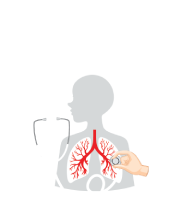
2nd Edition of International Conference on Advanced Pulmonology, Respiratory Medicine & Lung Health
June 28-30, 2027 | Rome, Italy

Acute lung injury
Acute lung injury (ALI) represents a rapid-onset condition in which the lung tissue becomes severely inflamed, leading to impaired gas exchange and respiratory distress. It can result from direct insults, such as pneumonia, aspiration, or inhalation of toxic substances, or indirect causes like sepsis, trauma, or severe pancreatitis. Patients typically present with sudden shortness of breath, rapid breathing, hypoxemia, and diffuse infiltrates visible on imaging studies. Early recognition is critical, as untreated ALI can progress to acute respiratory distress syndrome (ARDS), a more severe form with high morbidity and mortality. Diagnosis relies on clinical evaluation, arterial blood gas analysis, chest imaging, and the exclusion of cardiac causes of pulmonary edema.
Management of acute lung injury involves a combination of supportive care and targeted interventions to minimize lung damage. Oxygen supplementation and non-invasive or invasive mechanical ventilation are often required to maintain adequate oxygenation. Strategies such as low tidal volume ventilation, prone positioning, and careful fluid management help reduce ventilator-induced injury and improve gas exchange. Treating the underlying cause—whether infection, trauma, or systemic inflammation—is essential to halt progression. Adjunctive therapies may include sedation, anticoagulation, or specific pharmacologic agents depending on the clinical scenario. Multidisciplinary teams, including pulmonologists, critical care specialists, and respiratory therapists, collaborate to optimize care, monitor complications, and support recovery. Early intervention and comprehensive management of acute lung injury can improve survival, reduce long-term respiratory impairment, and enhance overall patient outcomes.

Saurabh Chattopadhyay
University of Kentucky, United States
Yazdan Mirzanejad
University of British Columbia, Canada
Constantinos Mikelis
University of Patras, Greece
Sai Lakkimsetti
Lakeside High School, United States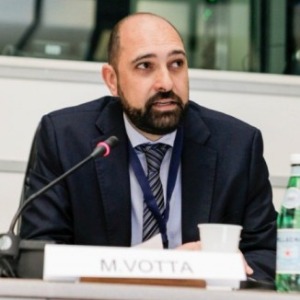
Mariano Votta
Active Citizenship Network (Cittadinanzattiva), Italy
Vijayan Gurumurthy Iyer
Techno-Economic-Environmental Study and Check Consultancy Services, India
K R Aneja
Kurukshetra University, IndiaSubmit your abstract Today


Title : Global warming and increasing respiratory illnesses
Yazdan Mirzanejad, University of British Columbia, Canada
Title :
Saurabh Chattopadhyay, University of Kentucky, United States
Title : Risk factors for mycobacterium avium complex infections in patients with chronic obstructive pulmonary disease
Alizaman Sadigov, Medical University, United States
Title : Managing integration and interoperability in transformed pulmonology, respiratory medicine and lung health ecosystems
Bernd Blobel, University of Regensburg, Germany
Title : Personalized and Precision Oncology (PPO) to be set up via precision oncology strategy for cancer care team: Developing targeted lung cancer therapy and advancing personalized cancer care
Sergey Suchkov, N.D. Zelinskii Institute for Organic Chemistry of the Russian Academy of Sciences & InMedStar, Russian Federation
Title : Advancements in pulmonology and respiratory care through the view of Personalized and Precision Medicine (PPM) and biodesign-driven translational applications
Sergey Suchkov, N.D. Zelinskii Institute for Organic Chemistry of the Russian Academy of Sciences & InMedStar, Russian Federation