2nd Edition of International Conference on Advanced Pulmonology, Respiratory Medicine & Lung Health
June 28-30, 2027 | Rome, Italy

Air pollution–linked respiratory disorders
Exposure to air pollutants remains one of the most pressing global health challenges, contributing significantly to both acute and chronic lung diseases. Fine particulate matter, nitrogen oxides, ozone, and other airborne toxins infiltrate the respiratory tract, triggering oxidative stress, inflammation, and long-term tissue damage. Populations living in urban centers or near industrial zones face a heightened burden, with increased incidence of asthma, COPD exacerbations, and impaired lung development in children. Vulnerable groups, including the elderly and those with preexisting conditions, often experience worsened outcomes due to their reduced physiological reserves. Beyond clinical impact, these disorders impose considerable social and economic costs by reducing productivity and quality of life.
Efforts to mitigate air pollution–linked respiratory disorders extend from individual preventive actions to systemic policy reforms. Clinicians emphasize avoidance strategies, such as limiting outdoor activity during peak pollution, using protective masks, and implementing indoor air filtration. At a broader level, regulatory measures to reduce industrial emissions, improve fuel standards, and promote clean energy adoption are essential. Screening programs in high-exposure areas, combined with public health education, support early detection of pollutant-related respiratory decline. As environmental sustainability becomes an urgent global priority, aligning respiratory healthcare with pollution reduction strategies represents a crucial step toward safeguarding population lung health.

Saurabh Chattopadhyay
University of Kentucky, United States
Yazdan Mirzanejad
University of British Columbia, Canada
Constantinos Mikelis
University of Patras, Greece
Sai Lakkimsetti
Lakeside High School, United States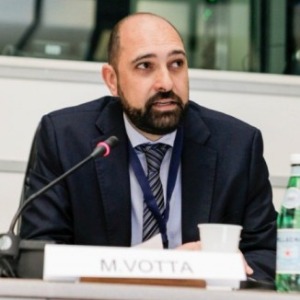
Mariano Votta
Active Citizenship Network (Cittadinanzattiva), Italy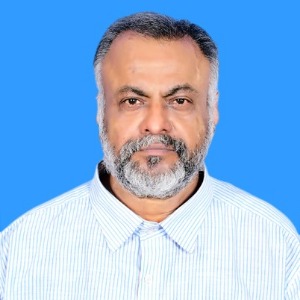
Vijayan Gurumurthy Iyer
Techno-Economic-Environmental Study and Check Consultancy Services, India
K R Aneja
Kurukshetra University, IndiaSubmit your abstract Today


Title : Global warming and increasing respiratory illnesses
Yazdan Mirzanejad, University of British Columbia, Canada
Title :
Saurabh Chattopadhyay, University of Kentucky, United States
Title : Risk factors for mycobacterium avium complex infections in patients with chronic obstructive pulmonary disease
Alizaman Sadigov, Medical University, United States
Title : Managing integration and interoperability in transformed pulmonology, respiratory medicine and lung health ecosystems
Bernd Blobel, University of Regensburg, Germany
Title : Personalized and Precision Oncology (PPO) to be set up via precision oncology strategy for cancer care team: Developing targeted lung cancer therapy and advancing personalized cancer care
Sergey Suchkov, N.D. Zelinskii Institute for Organic Chemistry of the Russian Academy of Sciences & InMedStar, Russian Federation
Title : Advancements in pulmonology and respiratory care through the view of Personalized and Precision Medicine (PPM) and biodesign-driven translational applications
Sergey Suchkov, N.D. Zelinskii Institute for Organic Chemistry of the Russian Academy of Sciences & InMedStar, Russian Federation