2nd Edition of International Conference on Advanced Pulmonology, Respiratory Medicine & Lung Health
June 28-30, 2027 | Rome, Italy

Chronic respiratory failure care
Chronic respiratory failure develops when the lungs are unable to maintain adequate oxygenation or carbon dioxide removal over time, often as a result of progressive conditions such as COPD, interstitial lung disease, neuromuscular disorders, or chest wall deformities. The care of patients with chronic respiratory failure requires a blend of acute stabilization and long-term management strategies tailored to the underlying cause. Non-invasive ventilation has become a central tool, providing support that improves gas exchange, reduces hospital admissions, and prolongs survival in selected populations. For patients with advanced disease, long-term oxygen therapy not only relieves symptoms but also improves exercise tolerance and overall quality of life. Pharmacologic interventions address comorbidities and optimize lung mechanics, while pulmonary rehabilitation builds endurance and empowers patients through education. Nutritional support, vaccination, and palliative approaches also play important roles in maintaining stability. Recent advances include telemonitoring systems that allow real-time tracking of respiratory parameters, enabling earlier intervention when deterioration begins. Successful chronic respiratory failure care depends on multidisciplinary collaboration, integrating pulmonologists, respiratory therapists, dietitians, and primary caregivers. The overall objective extends beyond prolonging life to enhancing independence, preventing complications, and addressing the psychosocial dimensions of living with chronic respiratory failure.

Saurabh Chattopadhyay
University of Kentucky, United States
Yazdan Mirzanejad
University of British Columbia, Canada
Constantinos Mikelis
University of Patras, Greece
Sai Lakkimsetti
Lakeside High School, United States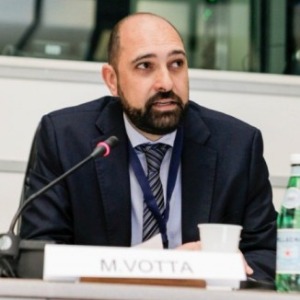
Mariano Votta
Active Citizenship Network (Cittadinanzattiva), Italy
Vijayan Gurumurthy Iyer
Techno-Economic-Environmental Study and Check Consultancy Services, India
K R Aneja
Kurukshetra University, IndiaSubmit your abstract Today


Title : Global warming and increasing respiratory illnesses
Yazdan Mirzanejad, University of British Columbia, Canada
Title :
Saurabh Chattopadhyay, University of Kentucky, United States
Title : Risk factors for mycobacterium avium complex infections in patients with chronic obstructive pulmonary disease
Alizaman Sadigov, Medical University, United States
Title : Managing integration and interoperability in transformed pulmonology, respiratory medicine and lung health ecosystems
Bernd Blobel, University of Regensburg, Germany
Title : Personalized and Precision Oncology (PPO) to be set up via precision oncology strategy for cancer care team: Developing targeted lung cancer therapy and advancing personalized cancer care
Sergey Suchkov, N.D. Zelinskii Institute for Organic Chemistry of the Russian Academy of Sciences & InMedStar, Russian Federation
Title : Advancements in pulmonology and respiratory care through the view of Personalized and Precision Medicine (PPM) and biodesign-driven translational applications
Sergey Suchkov, N.D. Zelinskii Institute for Organic Chemistry of the Russian Academy of Sciences & InMedStar, Russian Federation