2nd Edition of International Conference on Advanced Pulmonology, Respiratory Medicine & Lung Health
June 28-30, 2027 | Rome, Italy

Economic Impact of Chronic Respiratory Illness
Chronic respiratory illnesses impose a substantial economic burden on healthcare systems, patients, and society as a whole. The financial impact arises not only from direct medical costs, such as hospitalizations, long-term medication, outpatient visits, and specialized interventions, but also from indirect costs including lost productivity, absenteeism, and reduced work capacity. Economic impact of chronic respiratory illness is particularly pronounced in populations with limited access to healthcare or in regions where environmental exposures exacerbate respiratory conditions, such as air pollution or occupational hazards. Patients with conditions like chronic obstructive pulmonary disease, asthma, or interstitial lung disease often require ongoing management, including regular diagnostic testing, pulmonary rehabilitation, and lifestyle interventions, all of which contribute to cumulative costs over time. In addition, families and caregivers may face financial strain due to caregiving responsibilities and reduced income opportunities. Policymakers and healthcare providers increasingly recognize the importance of preventive strategies, early diagnosis, and cost-effective management programs to mitigate these burdens. Investment in public health measures, patient education, and community-based interventions has been shown to reduce hospital admissions and improve long-term outcomes, ultimately decreasing economic strain. Understanding the economic impact of chronic respiratory illness helps guide resource allocation, policy planning, and the design of sustainable healthcare models, ensuring that patients receive necessary care while minimizing societal costs. Addressing both clinical and economic aspects is essential for comprehensive management of chronic respiratory diseases and for promoting equitable, efficient, and sustainable healthcare systems.

Saurabh Chattopadhyay
University of Kentucky, United States
Yazdan Mirzanejad
University of British Columbia, Canada
Constantinos Mikelis
University of Patras, Greece
Sai Lakkimsetti
Lakeside High School, United States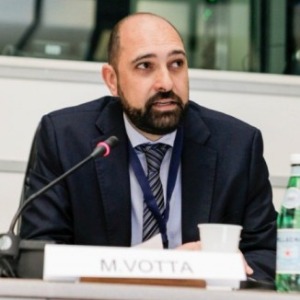
Mariano Votta
Active Citizenship Network (Cittadinanzattiva), Italy
Vijayan Gurumurthy Iyer
Techno-Economic-Environmental Study and Check Consultancy Services, India
K R Aneja
Kurukshetra University, IndiaSubmit your abstract Today


Title : Global warming and increasing respiratory illnesses
Yazdan Mirzanejad, University of British Columbia, Canada
Title :
Saurabh Chattopadhyay, University of Kentucky, United States
Title : Risk factors for mycobacterium avium complex infections in patients with chronic obstructive pulmonary disease
Alizaman Sadigov, Medical University, United States
Title : Managing integration and interoperability in transformed pulmonology, respiratory medicine and lung health ecosystems
Bernd Blobel, University of Regensburg, Germany
Title : Personalized and Precision Oncology (PPO) to be set up via precision oncology strategy for cancer care team: Developing targeted lung cancer therapy and advancing personalized cancer care
Sergey Suchkov, N.D. Zelinskii Institute for Organic Chemistry of the Russian Academy of Sciences & InMedStar, Russian Federation
Title : Advancements in pulmonology and respiratory care through the view of Personalized and Precision Medicine (PPM) and biodesign-driven translational applications
Sergey Suchkov, N.D. Zelinskii Institute for Organic Chemistry of the Russian Academy of Sciences & InMedStar, Russian Federation