2nd Edition of International Conference on Advanced Pulmonology, Respiratory Medicine & Lung Health
June 28-30, 2027 | Rome, Italy

Long-term oxygen therapy
Long-term oxygen therapy (LTOT) is an essential intervention for patients with chronic hypoxemia due to respiratory diseases such as COPD, interstitial lung disease, and pulmonary hypertension. The primary goal of LTOT is to improve oxygen saturation, reduce symptoms, prevent complications, and enhance survival. Candidates are typically identified through arterial blood gas analysis, pulse oximetry, and assessment of disease severity. Oxygen supplementation can be delivered via stationary or portable devices, with careful titration to maintain target oxygen levels while avoiding hyperoxia. Proper patient selection and adherence are critical to achieving optimal outcomes.
Beyond correcting hypoxemia, LTOT offers multiple physiologic and functional benefits. It reduces strain on the cardiovascular system, improves exercise tolerance, enhances sleep quality, and may decrease hospitalizations. Patient education on safe oxygen use, device maintenance, and lifestyle considerations, including smoking cessation, is essential. Multidisciplinary support, including respiratory therapists, pulmonologists, and home care teams, ensures ongoing monitoring, adherence, and prompt management of complications. Emerging technologies such as portable oxygen concentrators, telemonitoring, and adaptive oxygen delivery systems are improving patient mobility and quality of life. By combining clinical oversight, patient engagement, and technological advances, long-term oxygen therapy remains a cornerstone of care for patients with chronic respiratory failure and hypoxemia.

Saurabh Chattopadhyay
University of Kentucky, United States
Yazdan Mirzanejad
University of British Columbia, Canada
Constantinos Mikelis
University of Patras, Greece
Sai Lakkimsetti
Lakeside High School, United States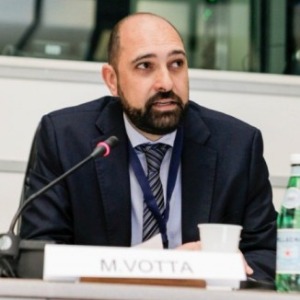
Mariano Votta
Active Citizenship Network (Cittadinanzattiva), Italy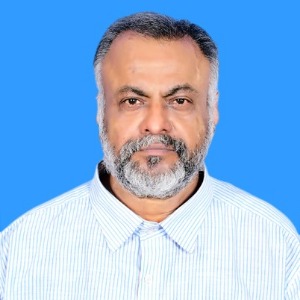
Vijayan Gurumurthy Iyer
Techno-Economic-Environmental Study and Check Consultancy Services, India
K R Aneja
Kurukshetra University, IndiaSubmit your abstract Today


Title : Global warming and increasing respiratory illnesses
Yazdan Mirzanejad, University of British Columbia, Canada
Title :
Saurabh Chattopadhyay, University of Kentucky, United States
Title : Risk factors for mycobacterium avium complex infections in patients with chronic obstructive pulmonary disease
Alizaman Sadigov, Medical University, United States
Title : Managing integration and interoperability in transformed pulmonology, respiratory medicine and lung health ecosystems
Bernd Blobel, University of Regensburg, Germany
Title : Personalized and Precision Oncology (PPO) to be set up via precision oncology strategy for cancer care team: Developing targeted lung cancer therapy and advancing personalized cancer care
Sergey Suchkov, N.D. Zelinskii Institute for Organic Chemistry of the Russian Academy of Sciences & InMedStar, Russian Federation
Title : Advancements in pulmonology and respiratory care through the view of Personalized and Precision Medicine (PPM) and biodesign-driven translational applications
Sergey Suchkov, N.D. Zelinskii Institute for Organic Chemistry of the Russian Academy of Sciences & InMedStar, Russian Federation