2nd Edition of International Conference on Advanced Pulmonology, Respiratory Medicine & Lung Health
June 28-30, 2027 | Rome, Italy

Lung scarring treatment
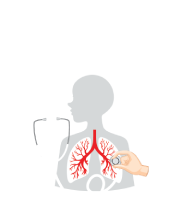
Lung scarring, also known as pulmonary fibrosis, results from the thickening and stiffening of lung tissue, which restricts normal breathing and reduces oxygen exchange. Causes include chronic inflammation, autoimmune disorders, prolonged exposure to environmental toxins, infections, certain medications, and idiopathic origins. Patients with lung scarring often experience persistent shortness of breath, a dry cough, fatigue, and limitations in daily activities. Early identification is crucial, and lung scarring treatment begins with thorough evaluation using high-resolution CT scans, pulmonary function tests, and clinical assessments to determine the extent of fibrosis and guide personalized care plans.
Management of lung scarring focuses on slowing disease progression, preserving lung function, and improving quality of life. Anti-fibrotic medications can help reduce tissue stiffening, while supplemental oxygen therapy supports adequate oxygenation. Pulmonary rehabilitation, including structured exercise programs and breathing techniques, strengthens respiratory capacity and endurance. Preventive strategies, such as vaccinations, infection control, and avoidance of environmental triggers, are essential to limit further lung damage. In severe cases, lung transplantation may be considered when other interventions fail to maintain adequate respiratory function. A multidisciplinary approach involving pulmonologists, respiratory therapists, nutritionists, and patient education ensures adherence to therapy, early recognition of worsening symptoms, and long-term monitoring. Through comprehensive care, lung scarring treatment can slow progression, manage symptoms effectively, and help patients maintain an improved quality of life.

Saurabh Chattopadhyay
University of Kentucky, United States
Yazdan Mirzanejad
University of British Columbia, Canada
Constantinos Mikelis
University of Patras, Greece
Sai Lakkimsetti
Lakeside High School, United States
Mariano Votta
Active Citizenship Network (Cittadinanzattiva), Italy
Vijayan Gurumurthy Iyer
Techno-Economic-Environmental Study and Check Consultancy Services, India
K R Aneja
Kurukshetra University, IndiaSubmit your abstract Today


Title : Global warming and increasing respiratory illnesses
Yazdan Mirzanejad, University of British Columbia, Canada
Title :
Saurabh Chattopadhyay, University of Kentucky, United States
Title : Risk factors for mycobacterium avium complex infections in patients with chronic obstructive pulmonary disease
Alizaman Sadigov, Medical University, United States
Title : Managing integration and interoperability in transformed pulmonology, respiratory medicine and lung health ecosystems
Bernd Blobel, University of Regensburg, Germany
Title : Personalized and Precision Oncology (PPO) to be set up via precision oncology strategy for cancer care team: Developing targeted lung cancer therapy and advancing personalized cancer care
Sergey Suchkov, N.D. Zelinskii Institute for Organic Chemistry of the Russian Academy of Sciences & InMedStar, Russian Federation
Title : Advancements in pulmonology and respiratory care through the view of Personalized and Precision Medicine (PPM) and biodesign-driven translational applications
Sergey Suchkov, N.D. Zelinskii Institute for Organic Chemistry of the Russian Academy of Sciences & InMedStar, Russian Federation