2nd Edition of International Conference on Advanced Pulmonology, Respiratory Medicine & Lung Health
June 28-30, 2027 | Rome, Italy

Occupational asthma
Occupational asthma is a type of asthma caused or worsened by exposure to substances in the workplace, such as dust, chemical fumes, gases, or biological agents. Workers in industries like manufacturing, agriculture, healthcare, and cleaning services are particularly at risk. Symptoms often include coughing, wheezing, chest tightness, and shortness of breath, which may worsen during work hours and improve when away from the workplace. Early diagnosis of occupational asthma relies on detailed occupational histories, pulmonary function testing, and sometimes specific inhalation challenge tests to establish a clear link between symptoms and workplace exposures. Recognizing early signs is crucial to prevent chronic airway remodeling and irreversible lung damage. Workplace interventions and preventive measures are essential to reduce exposure and safeguard respiratory health.
Management focuses on minimizing exposure while optimizing symptom control and preserving long-term lung function. Engineering controls, protective equipment, and substitution of hazardous substances help reduce inhalation of irritants. Pharmacologic treatment, including inhaled corticosteroids and bronchodilators, can manage inflammation and relieve symptoms. Pulmonary rehabilitation, patient education on trigger avoidance, and routine monitoring are important for maintaining lung health. Collaboration between occupational health specialists, pulmonologists, and employers ensures that preventive measures and individualized care plans are effectively implemented. By combining clinical management with workplace safety strategies, patients can maintain respiratory function and continue working while minimizing disease progression.

Saurabh Chattopadhyay
University of Kentucky, United States
Yazdan Mirzanejad
University of British Columbia, Canada
Constantinos Mikelis
University of Patras, Greece
Sai Lakkimsetti
Lakeside High School, United States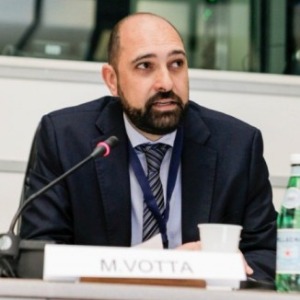
Mariano Votta
Active Citizenship Network (Cittadinanzattiva), Italy
Vijayan Gurumurthy Iyer
Techno-Economic-Environmental Study and Check Consultancy Services, India
K R Aneja
Kurukshetra University, IndiaSubmit your abstract Today


Title : Global warming and increasing respiratory illnesses
Yazdan Mirzanejad, University of British Columbia, Canada
Title :
Saurabh Chattopadhyay, University of Kentucky, United States
Title : Risk factors for mycobacterium avium complex infections in patients with chronic obstructive pulmonary disease
Alizaman Sadigov, Medical University, United States
Title : Managing integration and interoperability in transformed pulmonology, respiratory medicine and lung health ecosystems
Bernd Blobel, University of Regensburg, Germany
Title : Personalized and Precision Oncology (PPO) to be set up via precision oncology strategy for cancer care team: Developing targeted lung cancer therapy and advancing personalized cancer care
Sergey Suchkov, N.D. Zelinskii Institute for Organic Chemistry of the Russian Academy of Sciences & InMedStar, Russian Federation
Title : Advancements in pulmonology and respiratory care through the view of Personalized and Precision Medicine (PPM) and biodesign-driven translational applications
Sergey Suchkov, N.D. Zelinskii Institute for Organic Chemistry of the Russian Academy of Sciences & InMedStar, Russian Federation