2nd Edition of International Conference on Advanced Pulmonology, Respiratory Medicine & Lung Health
June 28-30, 2027 | Rome, Italy
Post-COVID lung recovery
The COVID-19 pandemic has left lasting respiratory consequences for many patients, even months after resolution of acute infection. Individuals recovering from severe cases often experience fatigue, breathlessness, reduced exercise capacity, and radiographic abnormalities that reflect structural lung changes. Persistent inflammation, fibrosis, or vascular damage may underlie these symptoms, raising concerns about long-term respiratory impairment. Early evaluation through pulmonary function tests, imaging, and clinical monitoring is important to identify those at risk of chronic complications. Rehabilitation programs are increasingly being designed to address both the physical and psychological challenges of recovery.
Approaches to post-COVID lung recovery involve multidisciplinary collaboration, blending respiratory therapy, rehabilitation medicine, nutrition, and psychological support. Pulmonary rehabilitation plays a central role in improving lung mechanics, while gradual exercise programs help restore stamina. Anti-fibrotic therapies and novel pharmacologic agents are being investigated for patients showing progressive scarring. Vaccination and preventive care against secondary infections are vital in protecting already vulnerable lungs. Equally important is patient education, guiding individuals on breathing exercises, infection avoidance, and lifestyle changes that enhance lung health. The growing body of research into immune dysregulation, microvascular injury, and repair mechanisms is shaping more tailored strategies. By prioritizing holistic recovery, clinicians aim not only to restore respiratory function but also to improve quality of life after serious illness.
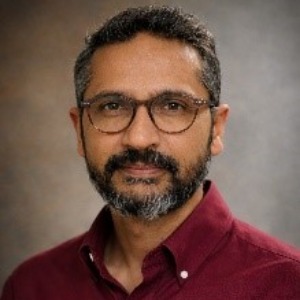
Saurabh Chattopadhyay
University of Kentucky, United States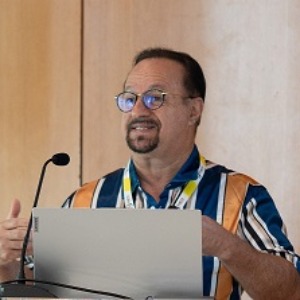
Yazdan Mirzanejad
University of British Columbia, Canada
Constantinos Mikelis
University of Patras, Greece
Sai Lakkimsetti
Lakeside High School, United States
Mariano Votta
Active Citizenship Network (Cittadinanzattiva), Italy
Vijayan Gurumurthy Iyer
Techno-Economic-Environmental Study and Check Consultancy Services, India
K R Aneja
Kurukshetra University, IndiaSubmit your abstract Today


Title : Global warming and increasing respiratory illnesses
Yazdan Mirzanejad, University of British Columbia, Canada
Title :
Saurabh Chattopadhyay, University of Kentucky, United States
Title : Risk factors for mycobacterium avium complex infections in patients with chronic obstructive pulmonary disease
Alizaman Sadigov, Medical University, United States
Title : Managing integration and interoperability in transformed pulmonology, respiratory medicine and lung health ecosystems
Bernd Blobel, University of Regensburg, Germany
Title : Personalized and Precision Oncology (PPO) to be set up via precision oncology strategy for cancer care team: Developing targeted lung cancer therapy and advancing personalized cancer care
Sergey Suchkov, N.D. Zelinskii Institute for Organic Chemistry of the Russian Academy of Sciences & InMedStar, Russian Federation
Title : Advancements in pulmonology and respiratory care through the view of Personalized and Precision Medicine (PPM) and biodesign-driven translational applications
Sergey Suchkov, N.D. Zelinskii Institute for Organic Chemistry of the Russian Academy of Sciences & InMedStar, Russian Federation