2nd Edition of International Conference on Advanced Pulmonology, Respiratory Medicine & Lung Health
June 28-30, 2027 | Rome, Italy

Pulmonary nodule follow-up
Pulmonary nodules are small, round opacities detected on imaging, often incidentally during chest CT scans performed for unrelated reasons. While most nodules are benign, some may represent early lung cancer, making structured evaluation critical. Pulmonary nodule follow-up involves balancing the need for timely detection of malignancy with the avoidance of unnecessary invasive procedures. Factors such as nodule size, shape, density, and patient risk profile inform the selection of surveillance intervals or additional diagnostic steps. Guidelines recommend periodic imaging to monitor growth, with biopsy or advanced imaging reserved for nodules with suspicious features.
Advances in imaging technology and artificial intelligence are improving the precision of nodule assessment, helping clinicians better stratify risk. Low-dose CT scanning offers enhanced resolution with minimal radiation exposure, enabling safe long-term surveillance. For patients, clear communication about the purpose of follow-up reduces anxiety and promotes adherence to monitoring schedules. Multidisciplinary collaboration between radiologists, pulmonologists, and thoracic surgeons ensures that management is individualized. Early and careful follow-up improves the chances of detecting malignant transformation at a curable stage while minimizing harm from unnecessary interventions, reinforcing the importance of structured surveillance strategies in lung health.

Saurabh Chattopadhyay
University of Kentucky, United States
Yazdan Mirzanejad
University of British Columbia, Canada
Constantinos Mikelis
University of Patras, Greece
Sai Lakkimsetti
Lakeside High School, United States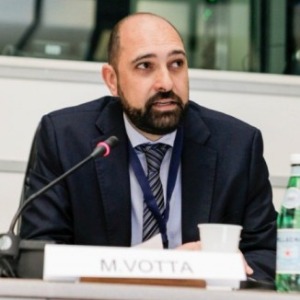
Mariano Votta
Active Citizenship Network (Cittadinanzattiva), Italy
Vijayan Gurumurthy Iyer
Techno-Economic-Environmental Study and Check Consultancy Services, India
K R Aneja
Kurukshetra University, IndiaSubmit your abstract Today


Title : Global warming and increasing respiratory illnesses
Yazdan Mirzanejad, University of British Columbia, Canada
Title :
Saurabh Chattopadhyay, University of Kentucky, United States
Title : Risk factors for mycobacterium avium complex infections in patients with chronic obstructive pulmonary disease
Alizaman Sadigov, Medical University, United States
Title : Managing integration and interoperability in transformed pulmonology, respiratory medicine and lung health ecosystems
Bernd Blobel, University of Regensburg, Germany
Title : Personalized and Precision Oncology (PPO) to be set up via precision oncology strategy for cancer care team: Developing targeted lung cancer therapy and advancing personalized cancer care
Sergey Suchkov, N.D. Zelinskii Institute for Organic Chemistry of the Russian Academy of Sciences & InMedStar, Russian Federation
Title : Advancements in pulmonology and respiratory care through the view of Personalized and Precision Medicine (PPM) and biodesign-driven translational applications
Sergey Suchkov, N.D. Zelinskii Institute for Organic Chemistry of the Russian Academy of Sciences & InMedStar, Russian Federation