2nd Edition of International Conference on Advanced Pulmonology, Respiratory Medicine & Lung Health
June 28-30, 2027 | Rome, Italy

Respiratory Distress Management
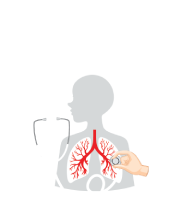
Respiratory distress is a critical condition that can arise from a wide range of acute and chronic pulmonary, cardiac, or systemic disorders, posing immediate threats to oxygenation and overall patient stability. Respiratory distress management focuses on rapid assessment, identification of the underlying cause, and prompt interventions to restore adequate ventilation and oxygen delivery. Initial evaluation includes monitoring oxygen saturation, respiratory rate, blood gas analysis, and hemodynamic status, while imaging and laboratory investigations help determine contributing factors such as infections, airway obstruction, pulmonary edema, or neuromuscular weakness. Interventions may involve supplemental oxygen, non-invasive or invasive ventilation, bronchodilators, diuretics, or targeted pharmacological therapies depending on etiology. Respiratory distress management emphasizes multidisciplinary coordination, with pulmonologists, critical care specialists, nurses, and respiratory therapists collaborating to provide timely, evidence-based care. Early recognition and intervention are crucial in preventing progression to respiratory failure, multi-organ involvement, or long-term pulmonary complications. Patient monitoring continues throughout stabilization, focusing on oxygenation, airway patency, and response to treatment, while education on symptom recognition and adherence to chronic disease management plans supports long-term respiratory health. Advances in bedside monitoring technologies, rapid diagnostics, and personalized therapeutic approaches have improved outcomes and reduced mortality associated with respiratory distress. Effective respiratory distress management integrates swift clinical response, individualized treatment, and continuous evaluation, ensuring both acute stabilization and the prevention of recurrent or worsening respiratory compromise.

Saurabh Chattopadhyay
University of Kentucky, United States
Yazdan Mirzanejad
University of British Columbia, Canada
Constantinos Mikelis
University of Patras, Greece
Sai Lakkimsetti
Lakeside High School, United States
Mariano Votta
Active Citizenship Network (Cittadinanzattiva), Italy
Vijayan Gurumurthy Iyer
Techno-Economic-Environmental Study and Check Consultancy Services, India
K R Aneja
Kurukshetra University, IndiaSubmit your abstract Today


Title : Global warming and increasing respiratory illnesses
Yazdan Mirzanejad, University of British Columbia, Canada
Title :
Saurabh Chattopadhyay, University of Kentucky, United States
Title : Risk factors for mycobacterium avium complex infections in patients with chronic obstructive pulmonary disease
Alizaman Sadigov, Medical University, United States
Title : Managing integration and interoperability in transformed pulmonology, respiratory medicine and lung health ecosystems
Bernd Blobel, University of Regensburg, Germany
Title : Personalized and Precision Oncology (PPO) to be set up via precision oncology strategy for cancer care team: Developing targeted lung cancer therapy and advancing personalized cancer care
Sergey Suchkov, N.D. Zelinskii Institute for Organic Chemistry of the Russian Academy of Sciences & InMedStar, Russian Federation
Title : Advancements in pulmonology and respiratory care through the view of Personalized and Precision Medicine (PPM) and biodesign-driven translational applications
Sergey Suchkov, N.D. Zelinskii Institute for Organic Chemistry of the Russian Academy of Sciences & InMedStar, Russian Federation