2nd Edition of International Conference on Advanced Pulmonology, Respiratory Medicine & Lung Health
June 28-30, 2027 | Rome, Italy

Respiratory Syncytial Virus
Respiratory syncytial virus is a major cause of acute lower respiratory tract infections, particularly in infants, young children, and older adults with compromised immunity or chronic cardiopulmonary conditions. The virus spreads easily through droplets and contact with contaminated surfaces, leading to widespread seasonal outbreaks worldwide. Symptoms range from mild upper respiratory tract illness to severe bronchiolitis or pneumonia, with infants often presenting with wheezing, tachypnea, and poor feeding. Respiratory syncytial virus is also increasingly recognized as a significant contributor to morbidity in elderly populations, where it can exacerbate underlying conditions such as chronic obstructive pulmonary disease and heart failure. Diagnosis typically relies on clinical presentation, supported by laboratory tests like rapid antigen detection or polymerase chain reaction for confirmation. Management is largely supportive, focusing on maintaining hydration, oxygenation, and airway clearance, while severe cases may require hospitalization and mechanical ventilation. Preventive strategies are advancing, with monoclonal antibodies now available for high-risk infants and vaccines recently introduced for older adults and pregnant women to protect newborns. Ongoing research continues to explore antiviral therapies and broader immunization strategies to reduce the global disease burden. By integrating early recognition, supportive care, and preventive measures, management of respiratory syncytial virus not only reduces complications and hospitalizations but also plays a crucial role in protecting vulnerable populations and strengthening overall respiratory health outcomes.

Saurabh Chattopadhyay
University of Kentucky, United States
Yazdan Mirzanejad
University of British Columbia, Canada
Constantinos Mikelis
University of Patras, Greece
Sai Lakkimsetti
Lakeside High School, United States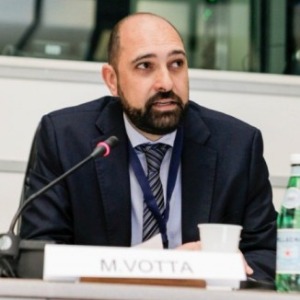
Mariano Votta
Active Citizenship Network (Cittadinanzattiva), Italy
Vijayan Gurumurthy Iyer
Techno-Economic-Environmental Study and Check Consultancy Services, India
K R Aneja
Kurukshetra University, IndiaSubmit your abstract Today


Title : Global warming and increasing respiratory illnesses
Yazdan Mirzanejad, University of British Columbia, Canada
Title :
Saurabh Chattopadhyay, University of Kentucky, United States
Title : Risk factors for mycobacterium avium complex infections in patients with chronic obstructive pulmonary disease
Alizaman Sadigov, Medical University, United States
Title : Managing integration and interoperability in transformed pulmonology, respiratory medicine and lung health ecosystems
Bernd Blobel, University of Regensburg, Germany
Title : Personalized and Precision Oncology (PPO) to be set up via precision oncology strategy for cancer care team: Developing targeted lung cancer therapy and advancing personalized cancer care
Sergey Suchkov, N.D. Zelinskii Institute for Organic Chemistry of the Russian Academy of Sciences & InMedStar, Russian Federation
Title : Advancements in pulmonology and respiratory care through the view of Personalized and Precision Medicine (PPM) and biodesign-driven translational applications
Sergey Suchkov, N.D. Zelinskii Institute for Organic Chemistry of the Russian Academy of Sciences & InMedStar, Russian Federation