2nd Edition of International Conference on Advanced Pulmonology, Respiratory Medicine & Lung Health
June 28-30, 2027 | Rome, Italy

Rural access to respiratory healthcare
Healthcare disparities are particularly evident in rural regions, where geographic isolation, limited infrastructure, and workforce shortages hinder effective management of respiratory conditions. Patients in these areas frequently face delayed diagnosis, inadequate follow-up, and limited access to advanced therapies for diseases such as COPD, asthma, or pulmonary fibrosis. The reliance on biomass fuels for cooking and heating further compounds the prevalence of respiratory illnesses, creating a cycle of high disease burden and poor outcomes. Transportation barriers and financial constraints often discourage individuals from seeking timely medical care, exacerbating chronic conditions.
Improving rural access to respiratory healthcare requires innovative, resource-sensitive strategies that address systemic challenges. Mobile clinics, telemedicine platforms, and community health worker programs extend diagnostic and treatment capacity to underserved populations. Government-backed initiatives that incentivize specialists to practice in rural settings can strengthen local care networks. Preventive strategies, including vaccination drives, clean fuel adoption, and health education campaigns, reduce risk factors at the community level. Incorporating patient-centered approaches and empowering families with self-management skills enhances continuity of care. By narrowing the urban–rural divide, rural access to respiratory healthcare can be significantly improved, leading to early intervention, reduced hospitalizations, and healthier communities.

Saurabh Chattopadhyay
University of Kentucky, United States
Yazdan Mirzanejad
University of British Columbia, Canada
Constantinos Mikelis
University of Patras, Greece
Sai Lakkimsetti
Lakeside High School, United States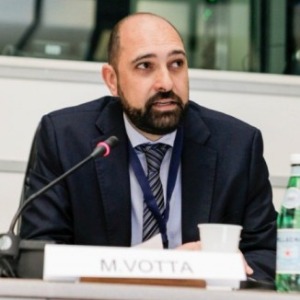
Mariano Votta
Active Citizenship Network (Cittadinanzattiva), Italy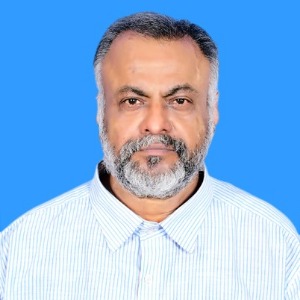
Vijayan Gurumurthy Iyer
Techno-Economic-Environmental Study and Check Consultancy Services, India
K R Aneja
Kurukshetra University, IndiaSubmit your abstract Today


Title : Global warming and increasing respiratory illnesses
Yazdan Mirzanejad, University of British Columbia, Canada
Title :
Saurabh Chattopadhyay, University of Kentucky, United States
Title : Risk factors for mycobacterium avium complex infections in patients with chronic obstructive pulmonary disease
Alizaman Sadigov, Medical University, United States
Title : Managing integration and interoperability in transformed pulmonology, respiratory medicine and lung health ecosystems
Bernd Blobel, University of Regensburg, Germany
Title : Personalized and Precision Oncology (PPO) to be set up via precision oncology strategy for cancer care team: Developing targeted lung cancer therapy and advancing personalized cancer care
Sergey Suchkov, N.D. Zelinskii Institute for Organic Chemistry of the Russian Academy of Sciences & InMedStar, Russian Federation
Title : Advancements in pulmonology and respiratory care through the view of Personalized and Precision Medicine (PPM) and biodesign-driven translational applications
Sergey Suchkov, N.D. Zelinskii Institute for Organic Chemistry of the Russian Academy of Sciences & InMedStar, Russian Federation